The Results
The performance difference was immediate.
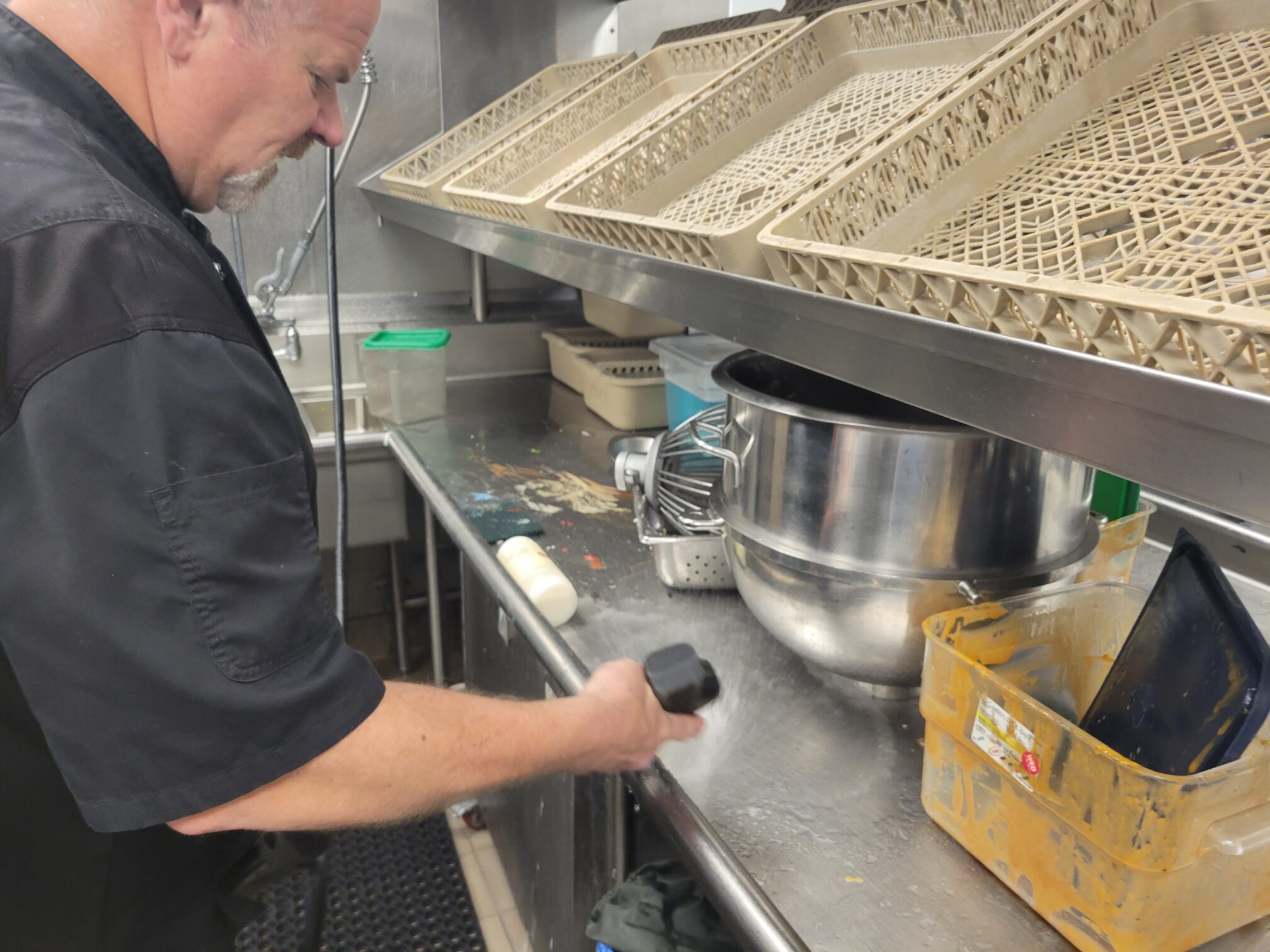
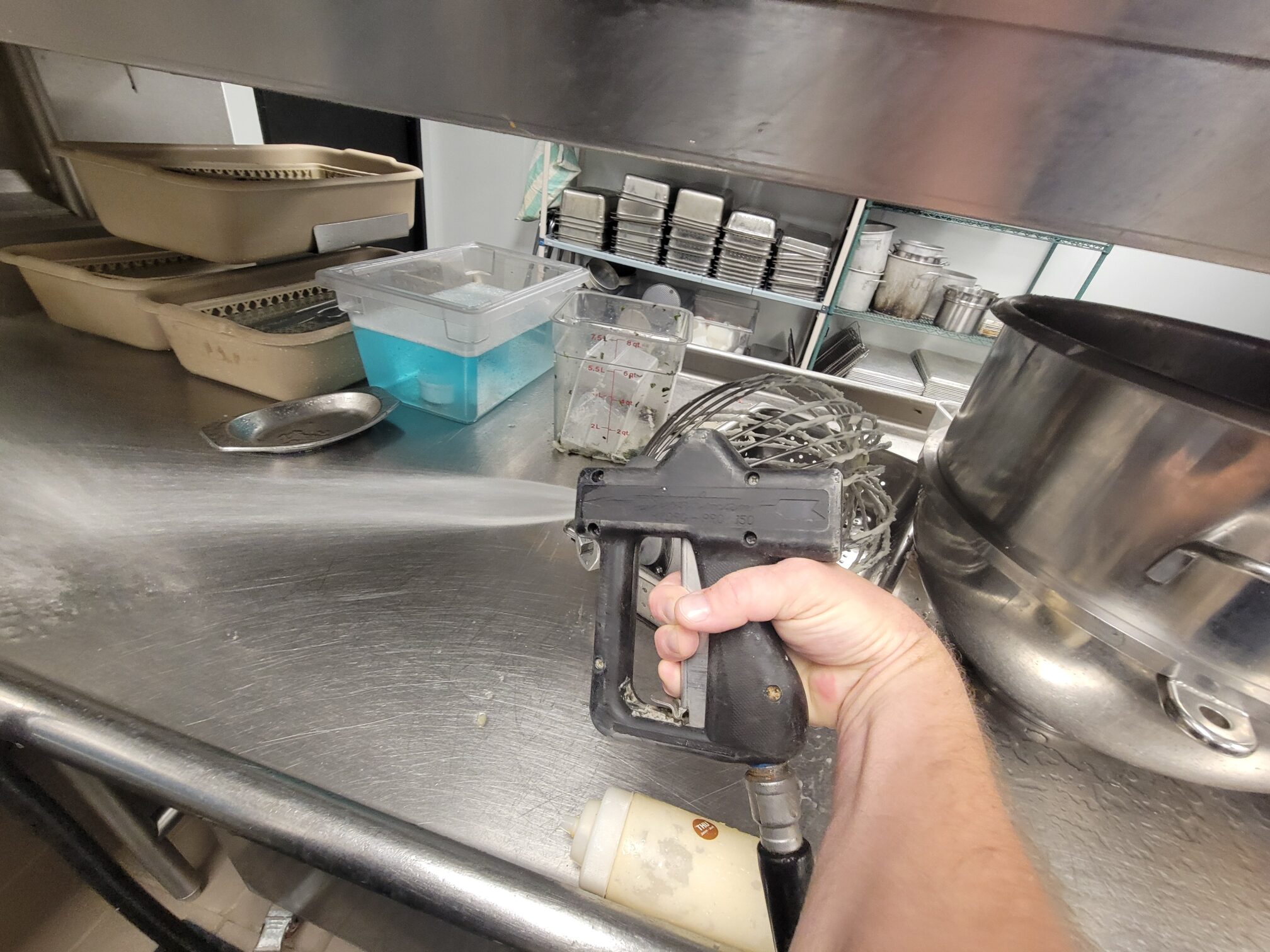
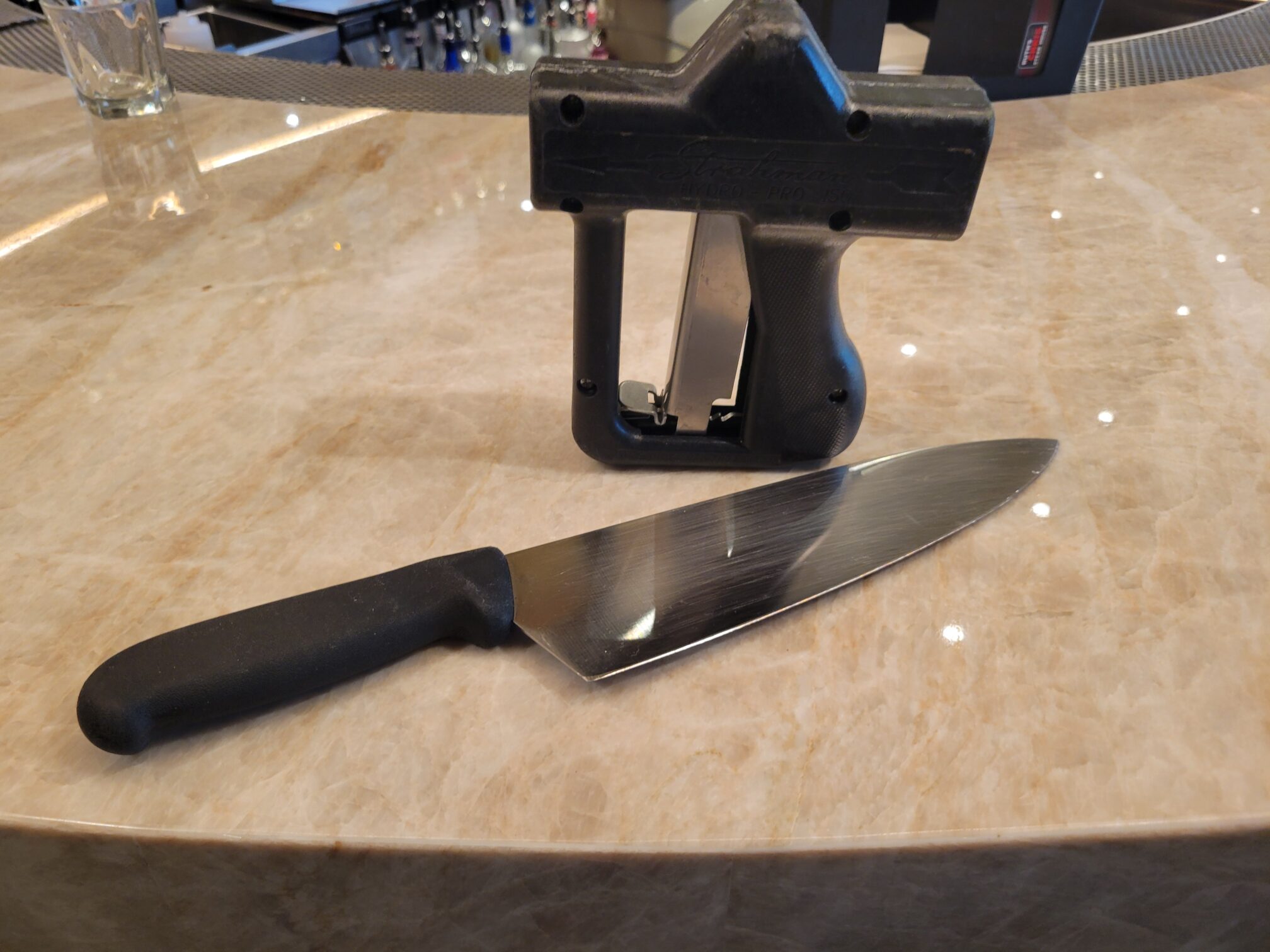
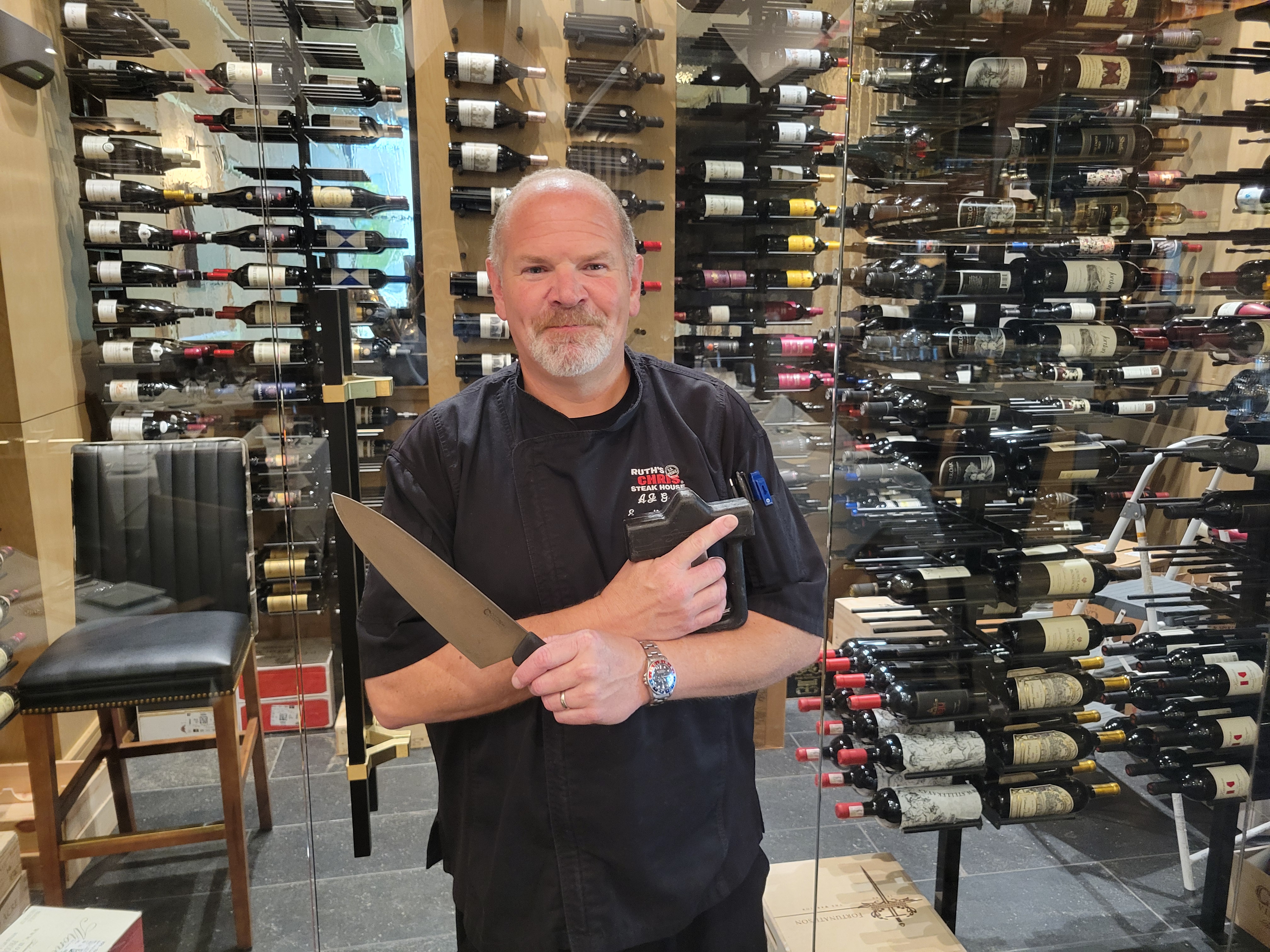
When asked how the Strahman nozzle had performed, Executive Chef described the experience as “perfect,” with no leaks or other problems. At the time of the interview, the restaurant also had a backup Strahman nozzle that had not yet been installed.
The nozzle had also demonstrated durability under normal kitchen conditions.
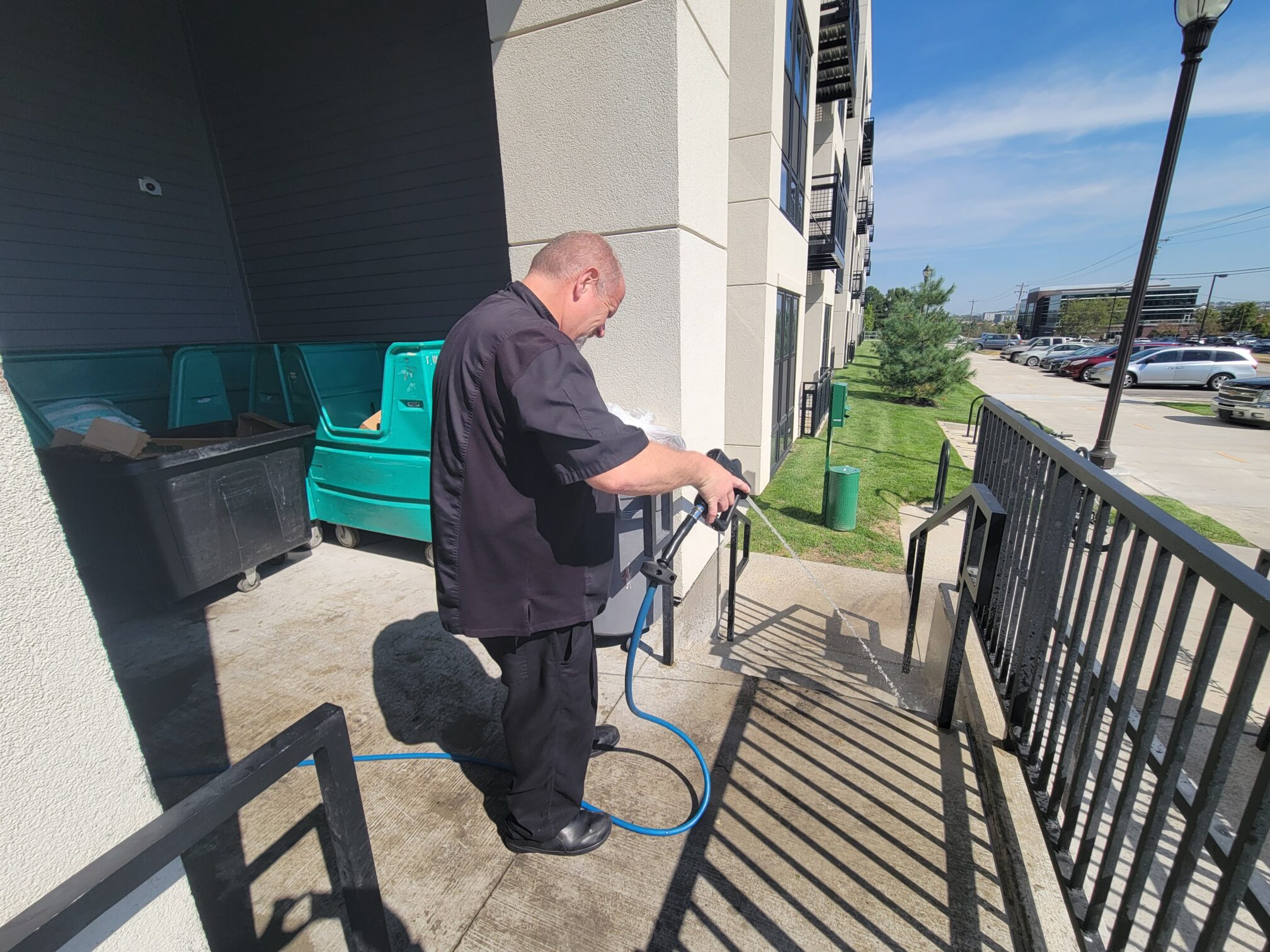
Executive Chef noted that nozzles inevitably hit the ground from time to time as employees move through cleaning tasks. Despite those impacts, he described the Strahman nozzle as very sturdy and reported no cracking or breaking of the outer cover.
That performance reinforces an important lifecycle consideration. Reliability reduces more than replacement purchases. It can also reduce the recurring labor associated with diagnosing leaks, attempting repairs, finding replacement parts, and sourcing new equipment.
The earlier nozzles carried a lower initial price, with Executive Chef recalling costs in the $200 to $250 range for some units. The Strahman nozzle represented a higher initial investment.
But the initial purchase price was only one part of the value equation. When equipment requires repeated attention after only a short period of service, the apparent savings can erode quickly.
When asked whether the Strahman nozzle was worth the additional cost based on performance and quality, Executive Chef’s response was unequivocal: “Absolutely, yeah, 100%.”