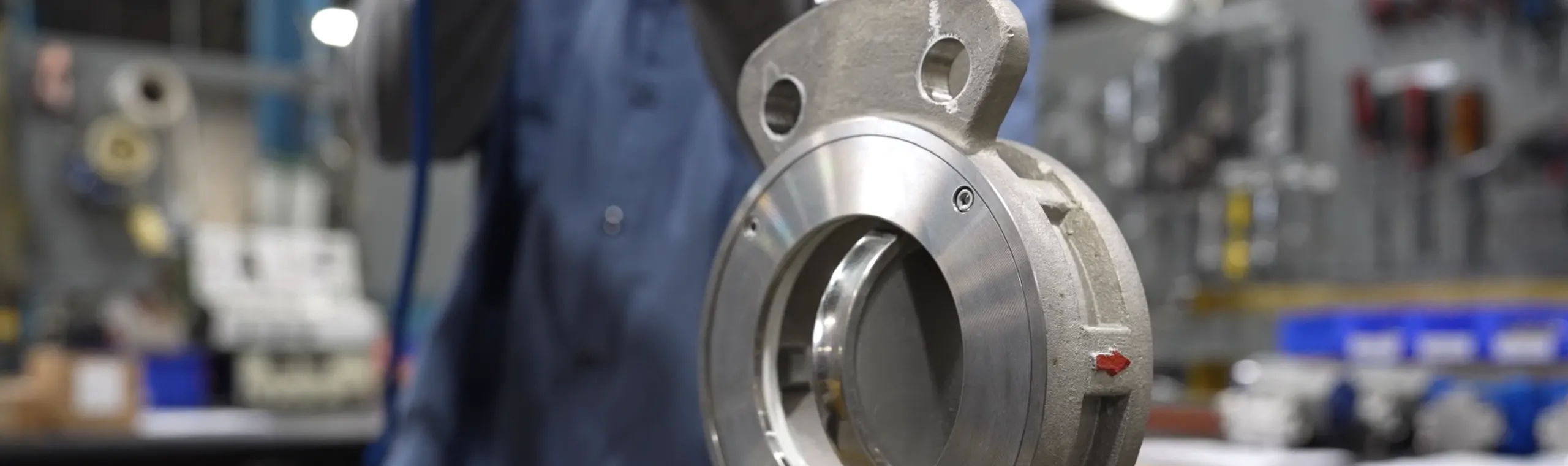
BI-TORQ butterfly valves are a type of quarter-turn valve used to regulate the flow of a fluid. The valve mechanism requires a 90-degree turn to go from the fully open to the fully closed position. BI-TORQs butterfly valves are available in two connection styles, ANSI Class 125/150 Lug Butterfly Valves and Wafer Butterfly Valves, both with options that include pneumatic, electric, gear, or lever operators as well as four seats to choose from for diverse applications.
Butterfly Valves
Features and Options:
- Automated and Manual butterfly valve packages available from 2″ through 12″
- Pneumatic double-acting and spring-return actuators
- Electric actuators in AC and DC voltages, and NEMA 4 (NEMA 4X and 7 are special order)
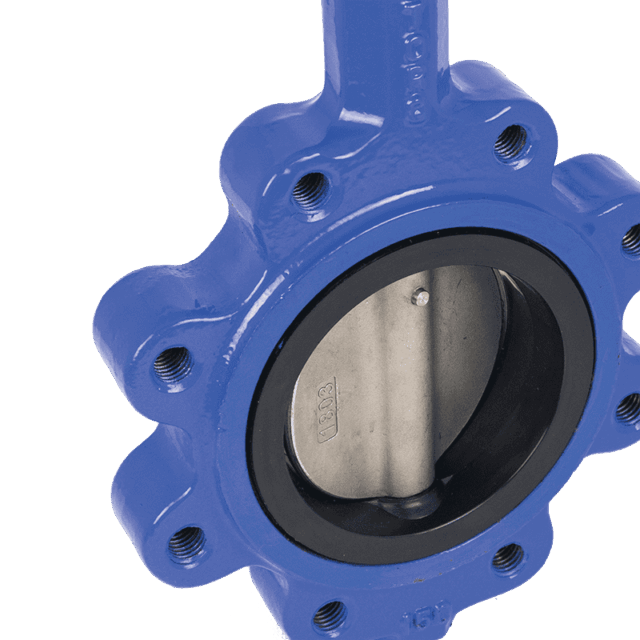
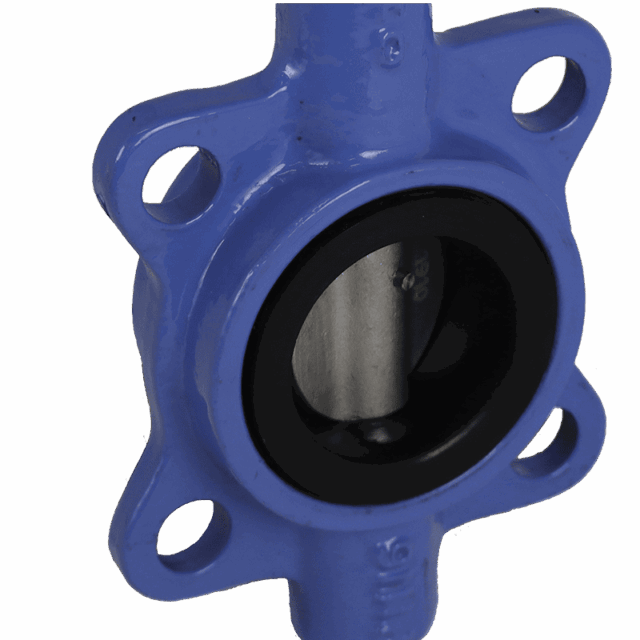
- Lug or Wafer style connections
- Cast iron bodies and standard stainless steel disc and stem
- Direct mount ISO design on most models
- EPDM, BUNA-N, Viton, and PTFE seat options to suit virtually any application
- Factory assembled and tested
- Limit switches, positioners, solenoids, and many other custom options are available
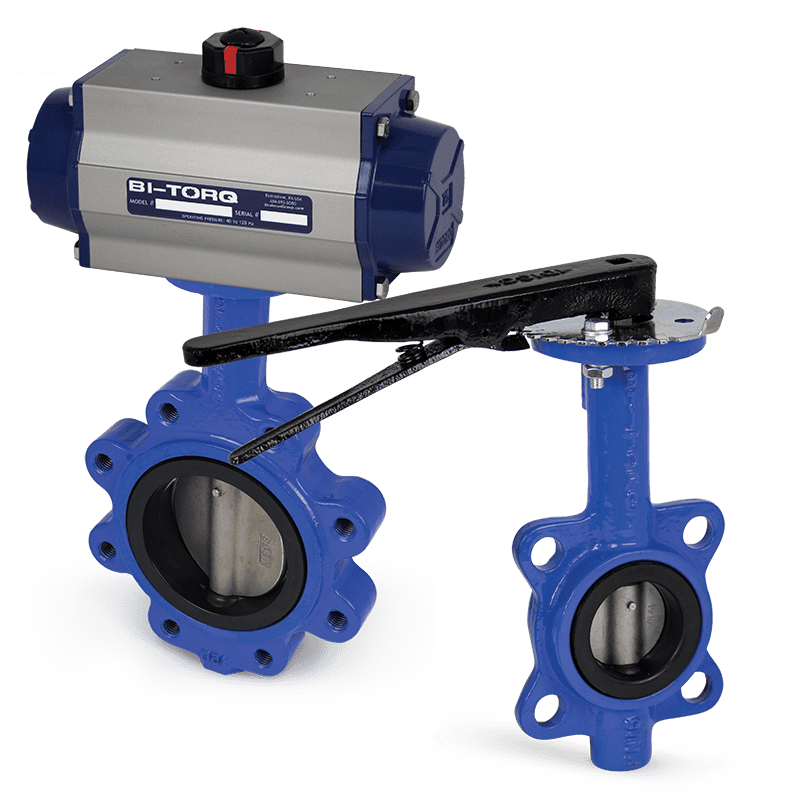
Butterfly Valve Connections
Selecting the right connection style is an important consideration when specifying butterfly valves for industrial piping systems. Lug and wafer designs both fit between pipeline flanges, but their mounting arrangements differ.
Lug butterfly valves feature threaded inserts around the valve body that allow bolts to secure the valve to adjoining flanges. This arrangement can provide additional installation flexibility, particularly when maintenance requires separating sections of piping. However, suitability for dead-end service depends on the valve’s specific design and pressure rating.
Wafer butterfly valves use a compact body positioned between mating flanges and secured by bolts extending across the assembly. Their streamlined construction can be advantageous where installation space is limited.
Both configurations should be evaluated based on flange compatibility, piping layout, operating conditions, and maintenance requirements.
Manual and Automated Butterfly Valve Options
Butterfly valves can be operated manually or equipped with actuators for automated process control. The appropriate operating method depends on valve accessibility, cycling frequency, available utilities, and system requirements.
Lever operators provide straightforward manual positioning, while gear operators offer mechanical assistance when greater operating torque is required. Automated configurations allow valves to be operated remotely or integrated into broader process control systems.
Pneumatic actuators use compressed air to generate valve movement. Double-acting configurations power both directions, while spring-return models provide a predetermined return position when air pressure is lost. Electric actuators offer an alternative where electrical power is preferred, or compressed air is unavailable.
For automated assemblies, accessories such as solenoid valves, limit switches, and positioners can support valve operation, position monitoring, and control integration. These components should be selected according to the intended operating sequence and process requirements.
Butterfly Valve Seat Materials and Compatibility
Seat material selection directly affects sealing performance and compatibility with process conditions. Industrial butterfly valve manufacturers offer different materials to accommodate variations in fluid chemistry, temperature, and pressure.
BI-TORQ butterfly valves are available with EPDM, BUNA-N, Viton, and PTFE seats. EPDM is commonly considered for compatible water-based applications, while BUNA-N may be appropriate for certain oils and petroleum-based fluids. Viton resists various chemicals and elevated temperatures, and PTFE provides broad chemical resistance in suitable applications.
However, material compatibility depends on the specific process media, concentration, temperature, and operating pressure. No single seat material is appropriate for every application.
The valve’s cast iron body and stainless-steel disc and stem construction should also be considered when evaluating overall durability and operating requirements.
Selecting Butterfly Valves for Industrial Applications
Choosing among butterfly valves requires evaluating the complete operating environment rather than relying on nominal pipe size alone. Process engineers should consider fluid characteristics, pressure differentials, operating temperature, and required flow capacity.
Valve sizing should account for the intended function, whether the application involves isolation, shutoff, or flow regulation. For throttling applications, the expected operating range and pressure drop are important because excessive velocity or unsuitable positioning can contribute to wear and inconsistent control.
Automated assemblies also require appropriate actuator sizing. Available torque must be sufficient to overcome valve resistance throughout operation, including initial opening and final closing. Mounting compatibility and control accessories should be evaluated alongside actuator selection.
When comparing butterfly valve manufacturers, buyers should consider available configurations, product specifications, assembly quality, and technical support. BI-TORQ’s factory-assembled and tested valve packages provide an integrated option for applications requiring manual or automated operation.
Experience Quality, Performance, Safety, and Superior Design
Ready to get started? Fill out the form to inquire today. Our experts are ready to answer your questions and guide you to the best solutions.
Experience Quality, Performance, Safety, and Superior Design
Ready to get started? Fill out the form to inquire today. Our experts are ready to answer your questions and guide you to the best solutions.